Overview
As XR technology becomes more mature, the challenge is no longer only making the technology work, but making it understandable and usable in real-world settings.
Museums became my main testbed for this problem: visitors are often first-time HMD users, while creators need interaction designs that work across different exhibits, spaces, and visitor situations.
Designing for Real Environments
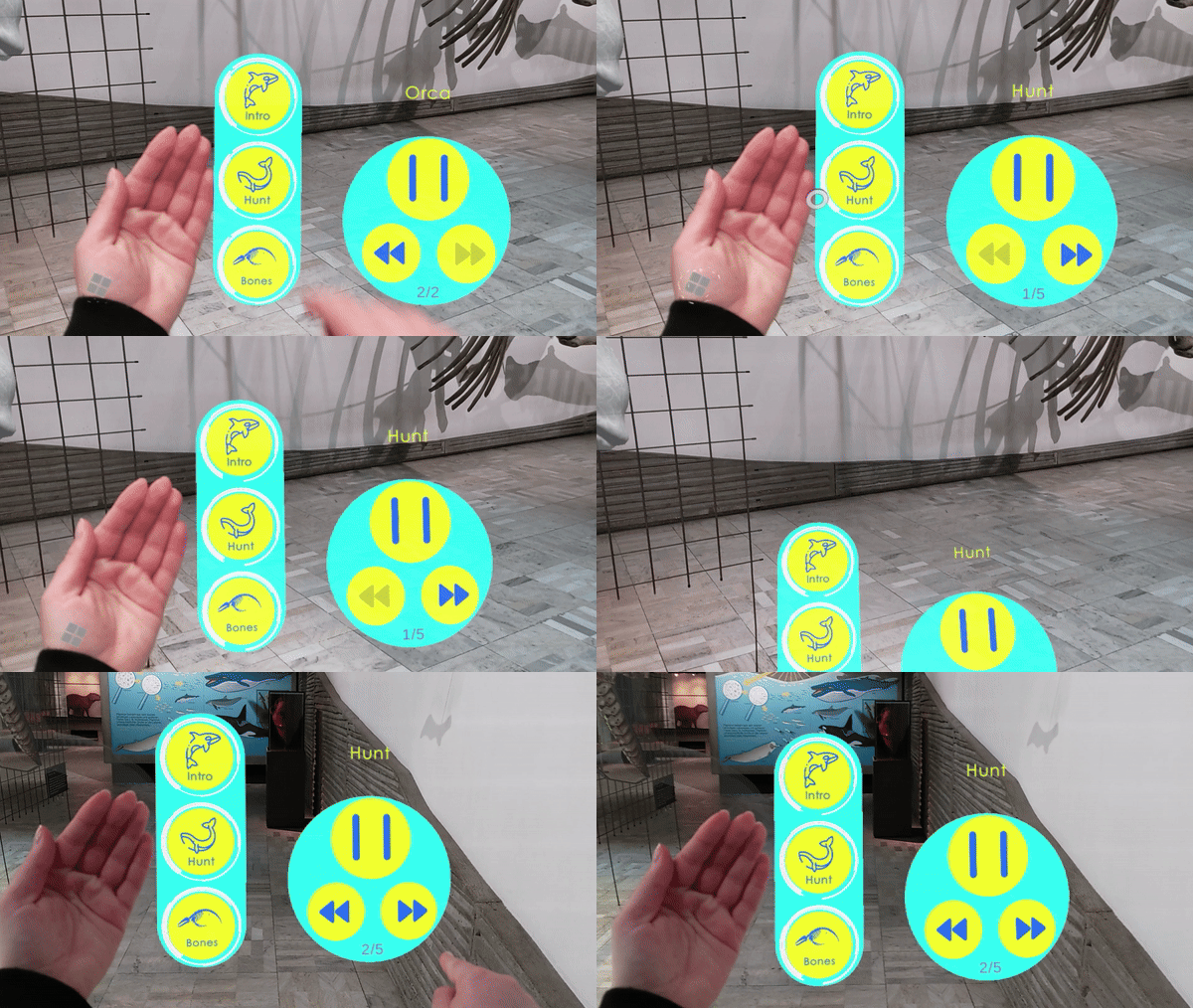
I design and develop working XR prototypes around the characteristics of physical environments, including spatial layout, exhibits, visitor movement, and device constraints.
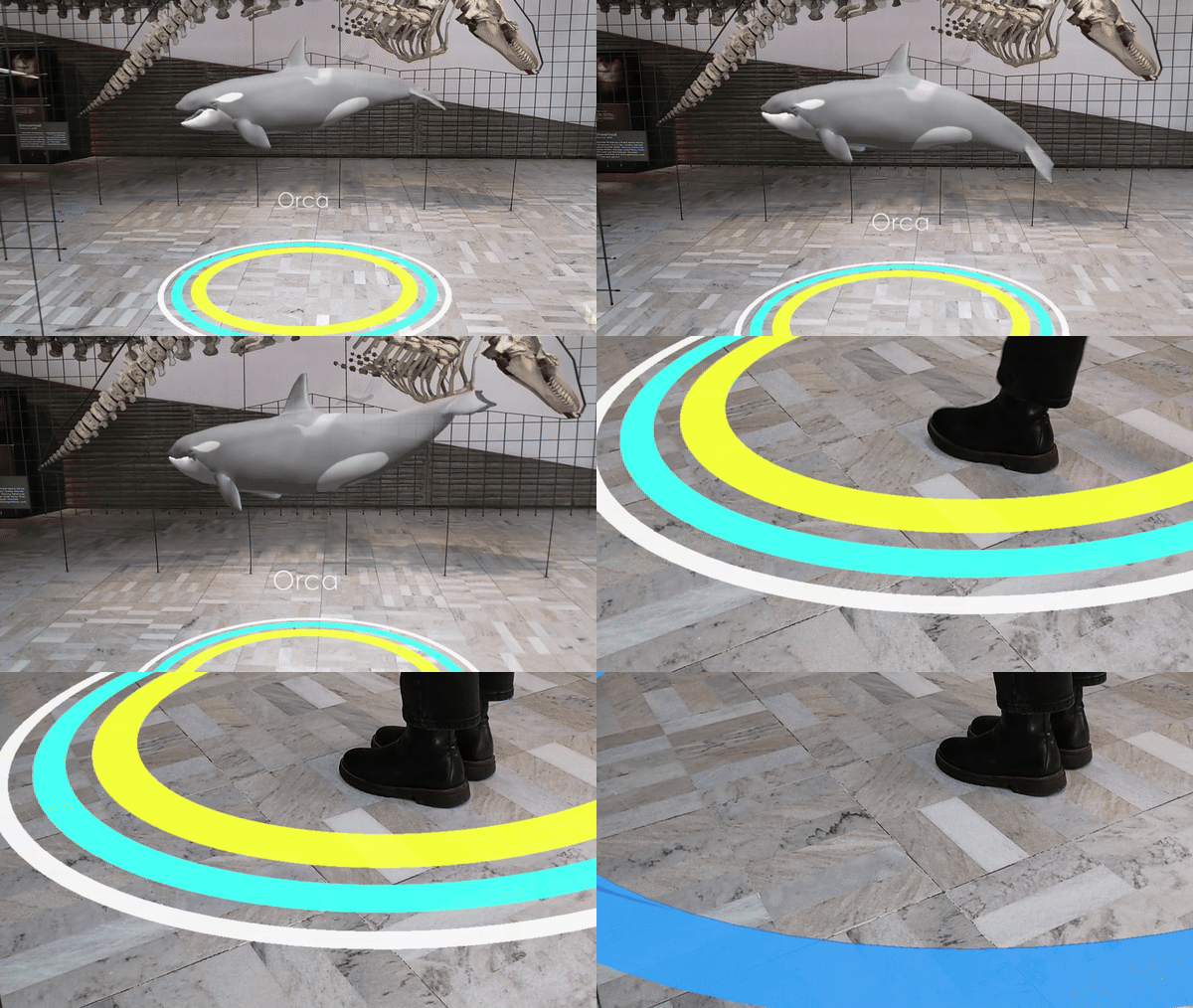
The prototypes explore how first-time users can understand where to go, what to look at, and how to interact without prior training.
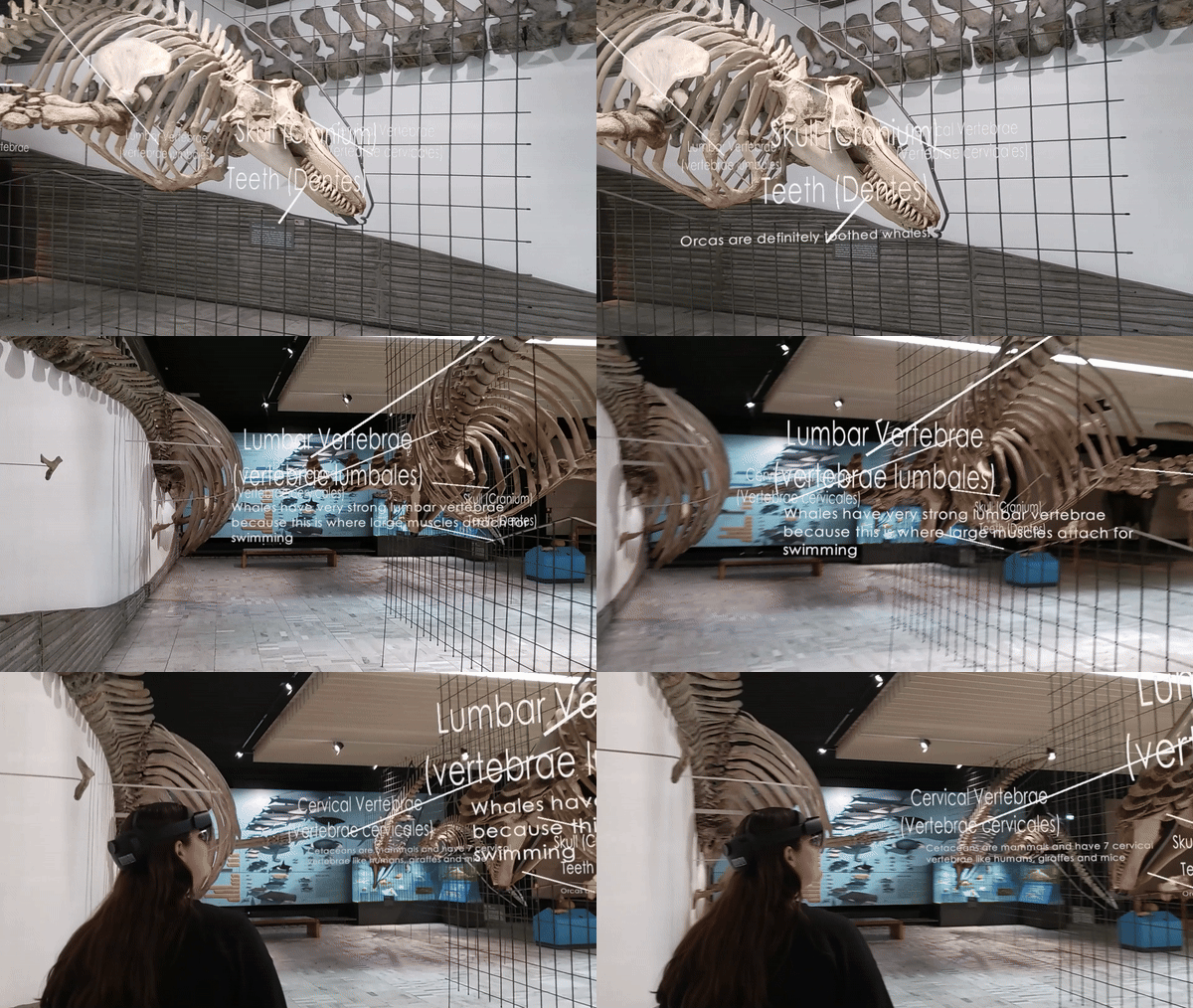
I then use these prototypes in real settings to study how interaction design performs outside controlled laboratory conditions.
In the Field
The prototypes were developed, deployed, and evaluated with museum visitors in real exhibition environments in Germany and Portugal.
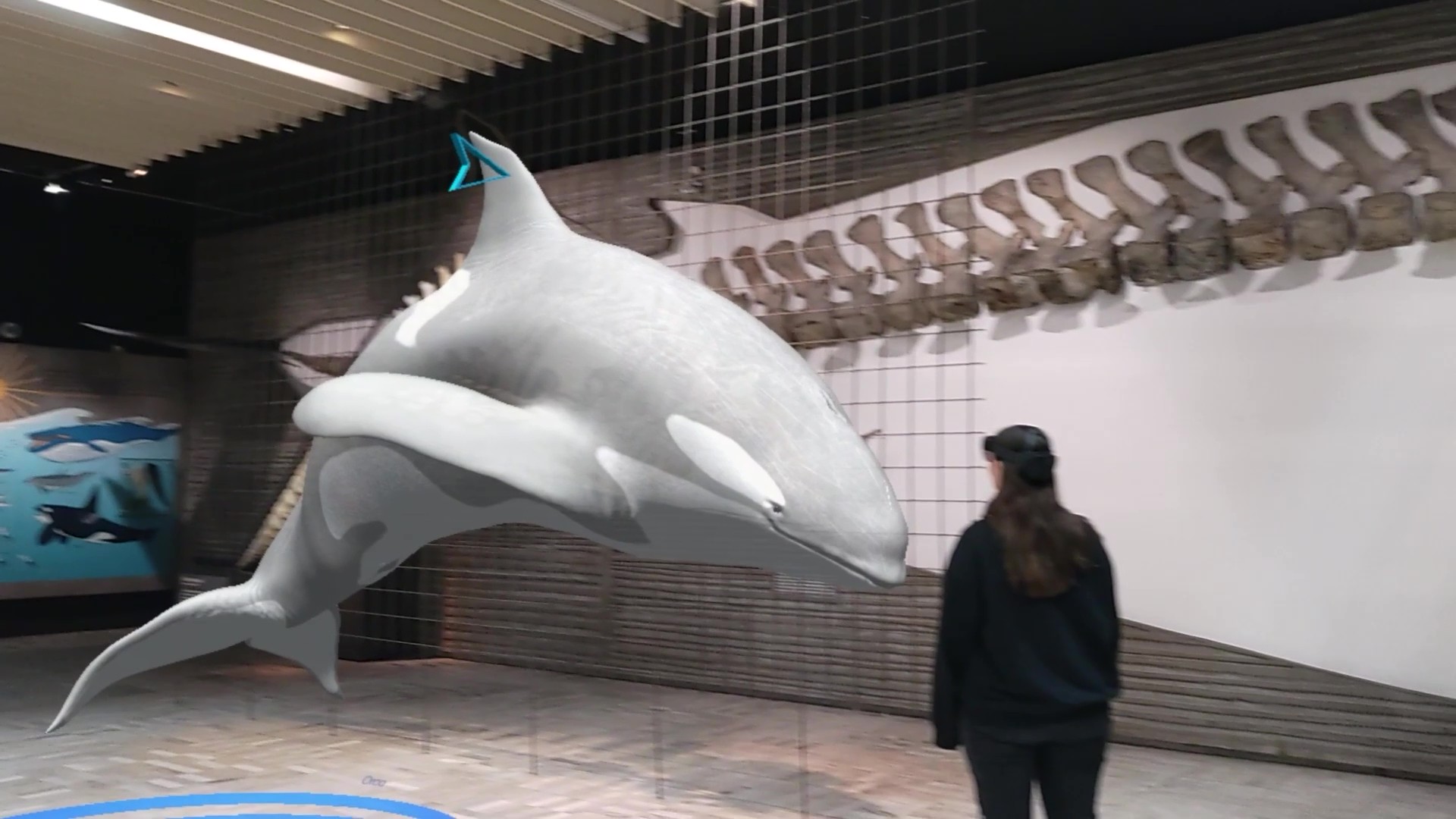
Senckenberg Natural History Museum, Frankfurt am Main, Germany.
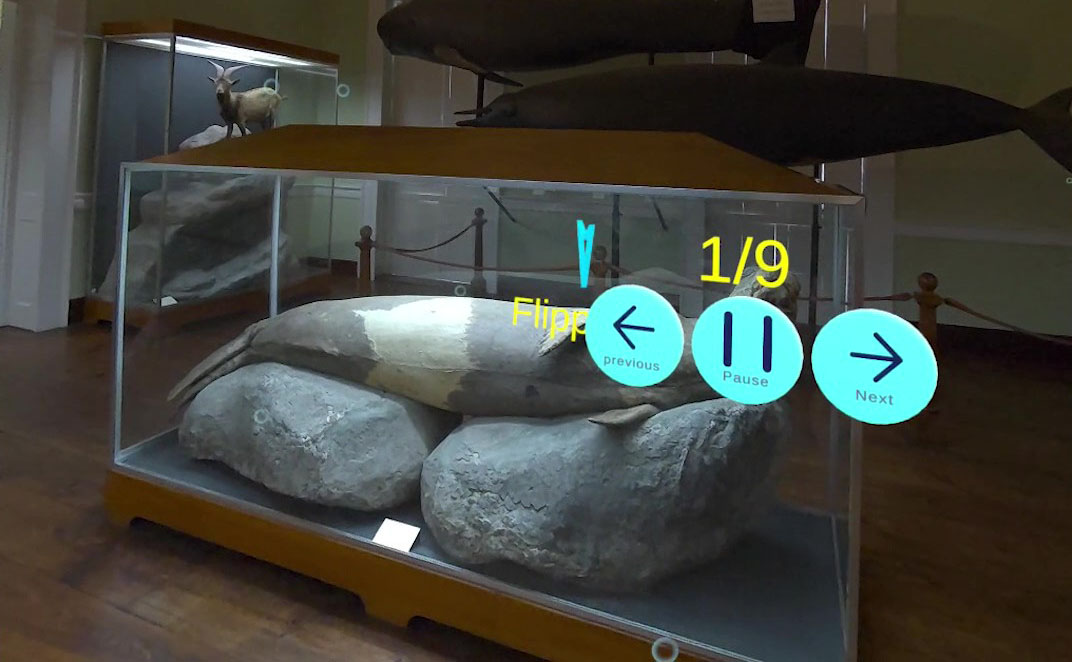
Natural History Museum of Funchal, Madeira, Portugal.
My Role
I develop XR prototypes for real environments and use field deployment and user evaluation to derive interaction design knowledge.
- Interaction design and XR prototyping
- Real-world deployment and iteration
- UX and interaction evaluation
- Translating observations into reusable design knowledge
Broader Goal
Museums are the main application context in this work, but the broader goal is to understand how spatial XR interaction can become easier to design, learn, and use across real-world environments.